***Mild spoilers***
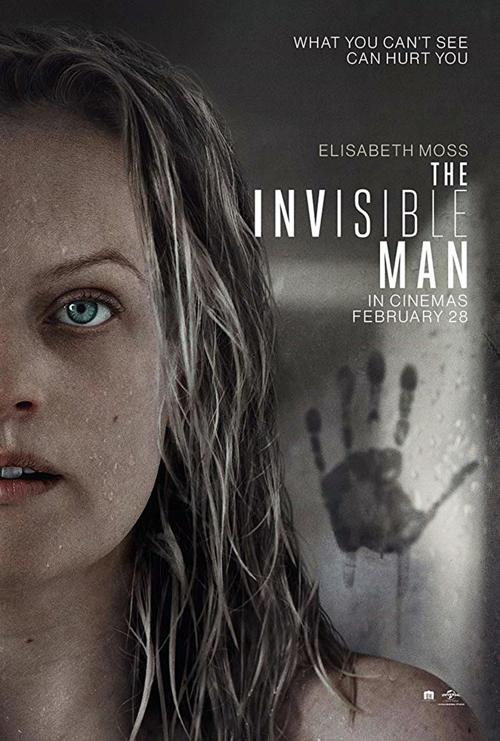
The kids and I watched The Invisible Man shortly before Halloween as part of an ongoing horror movie marathon. It’s not standard Halloween fare: there are no witches, no ghosts (not really), and no evil curses or spells. But the story is as familiar as a fairy tale, especially to women who have experienced domestic abuse.
Cecilia drugs her abusive boyfriend and flees in the middle of the night with the help of her sister Emily. She hides out in the home of a friend and his teenage daughter and is terrified to walk past the mailbox outside. A few weeks later, she gets word that he has killed himself and left his entire fortune to her. And that is when things get scary. Adrian isn’t dead, but Cecilia is the only one who knows. And she’s the only one who can see what he’s doing.
The first step that abusers take is isolating their victims from friends and family. When the victim is completely alone and feels like she has nobody to turn to, she’s less likely to try to escape. Financial dependence is another way. It’s hard to leave when one has no income and no way to get any. Finally, abusers’ favorite method of control is the oldest one in the book: motherhood. Getting the victim pregnant and keeping her bound up in the physical and financial trials of childbearing is a sure fire way to keep her from finding her feet.
Cecilia’s tormentor, Adrian, follows this recipe perfectly. He sends emails and commits acts of violence and sabotage that make everyone think that Cecilia is mentally unstable. His fortune has strings attached that she discovers when she finds out that he had tampered with her birth control. And that’s as much as I want to say with the movie being less than a year old.
I love a horror movie that makes me think, especially one with a lot of symbolism and theme. Good horror taps into societal fears and brings up those dark thoughts that keep us awake at night. Fears about cancer, about societal entropy, about the stranger in the night with a knife–those horror themes are as common as peanuts. Good, but nothing special. I’ve really enjoyed the last couple of years and the more complex stories that deal with fears that fall a bit more outside the mainstream. The Invisible Man is about domestic abuse, obviously, but it’s also about the scariest part: the aftermath.
Abuse doesn’t always leave bruises, and there isn’t a mark on Cecilia at the start of the movie. I thought for sure while watching that there would be an artful bruise on her cheek or possibly a healing shiner, but no–not a scratch. And as I watched sister Emily struggle to believe in Cecilia and believe in her fear, I wondered if the narrative would have gone differently if she HAD been marked up. It’s hard to believe in things we can’t see. The things Cecilia’s family and friends see are Adrian’s good looks, his money, and his death certificate. Cecilia begs them to look past all that to see the truth, but for the most part, they fail. It’s terrifying to not be believed.
I watched this with my sons and daughter and I’m so glad that I did. We talked about so much after it was over. We discussed gaslighting, the signs of emotional abuse, the desire for control, and we talked about trusting our instincts and trusting each other. The Invisible Man is an amazing movie, as smart as it is scary, and I recommend it to anyone.
 Dawn Napier